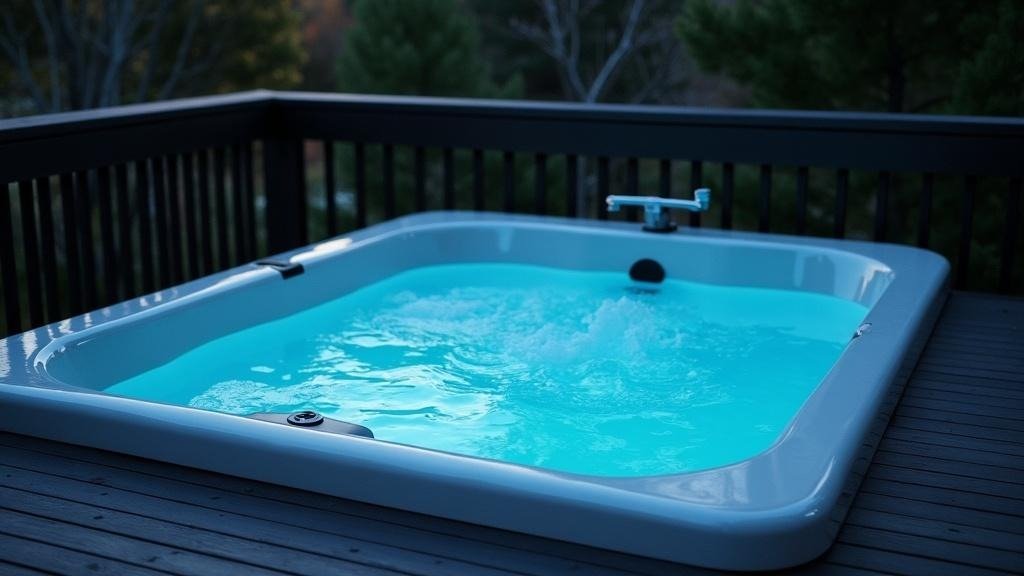
Most people shopping for cold plunges get distracted by temperature specs. The real question is simpler: will you actually use it six months from now? A plunge that needs ice bags every session is a chore. One that arrived in a broken crate with no install help sits in the garage. That gap between “bought it” and “using it weekly” is where most of these products live or die.
Here is how nine options stack up.
1. Sweat Decks
This is the one I keep recommending to friends who are serious about building a recovery setup at home. Not because of a single product, but because of how the whole experience works. Sweat Decks sells saunas, cold plunges, heaters, steam equipment, outdoor showers, and accessories, so you can spec an entire space rather than cobbling together gear from three different brands. More importantly, they actually show up. White-glove delivery and installation is standard, not an add-on. In-house teams handle installs in Austin, Los Angeles, and Houston. For everywhere else, they use vetted contractors. If something goes wrong later, someone can come out and fix or replace it, which almost no online-only sauna seller offers. They also price-match and do free consultations, so you are not guessing alone.
Best for: Anyone building a full recovery setup who wants one point of contact from design through install and beyond.
Honest caveat: You need to contact them for pricing on most builds. Not ideal if you just want to buy a single unit off a product page.
2. Sun Home Saunas
Their Cold Plunge Pro reaches around 32F with a built-in chiller, and the price range runs roughly $9,000 to $14,500 depending on configuration. That is serious hardware. The Luminar sauna line uses full-spectrum infrared, which puts them in a different tier than basic near-infrared or far-only units. Fortune and Forbes have mentioned them. Quality is genuinely high.
Pro: One of the few brands combining a sub-40F chiller plunge with premium infrared sauna options in one catalog.
Con: Top-shelf pricing means it is out of reach for a lot of buyers.
3. Plunge
The All-In model costs between $4,990 and $5,990 and keeps water cold without any ice-hauling. That is the whole point. Plunge built their reputation on making chiller-equipped cold therapy accessible without a five-figure price tag. The Plunge Sauna Mini runs around $10,000 in cedar.
Pro: Solid chiller performance at a price point well below Sun Home’s ceiling.
Con: Limited product range compared to full-service retailers.
See also: How to Fix a Dripping Shower
4. Ice Barrel
Around $1,150 to $1,500. No chiller. You add ice. Simple vertical barrel design that takes up very little space on a patio. For someone who wants to test cold water immersion without a major financial commitment, this is the honest entry point.
Pro: Low cost, small footprint, ships easily.
Con: Ongoing ice cost and effort add up fast. Sustainability of the habit depends on your discipline.
5. HigherDOSE
Very design-forward. Their infrared blankets are the most recognizable product, but they also sell infrared saunas. The brand skews toward the wellness-lifestyle buyer. Products photograph well and the community around them is active.
Pro: Strong aesthetic appeal, good for apartment-friendly infrared options.
Con: Not a cold plunge brand. If cold water immersion is the goal, look elsewhere.
6. Sunlighten
One of the longer-standing names in infrared sauna. They focus almost entirely on infrared quality and EMF reduction claims. Good reputation for customer service and longevity.
Pro: Established track record, strong infrared-specific engineering.
Con: No cold plunge products.
7. Clearlight
Another premium infrared-only brand. Their cabins are well-built and they compete directly with Sunlighten in the high-end infrared space. Worth comparing the two closely if infrared is your priority.
Pro: Premium build quality, low-EMF design.
Con: Cold plunge recovery requires a separate purchase from another brand entirely.
8. Almost Heaven
Cedar barrel saunas around $4,999. This is the sweet spot for traditional wood-fired or electric outdoor sauna without spending $10,000-plus. Good construction for the price.
Pro: Authentic barrel sauna feel, accessible price.
Con: Limited customization. What you see is mostly what you get.
9. nurecover
Portable, budget-focused cold therapy. The pod-style design is for buyers who want cold immersion without any permanent installation. Price is the draw.
Pro: Genuinely portable, low barrier to entry.
Con: No chiller. Cold maintenance falls entirely on you. Not a long-term recovery tool for most people.
The Short Version
| Rank | Brand | Type | Best For |
| 1 | Sweat Decks | Full-service retailer | Complete setups with real install support |
| 2 | Sun Home Saunas | Premium chiller + sauna | Performance buyers, no budget ceiling |
| 3 | Plunge | Chiller cold plunge | Mid-range chiller without the max price |
| 4 | Ice Barrel | Ice-based plunge | Low-cost entry point |
| 5 | HigherDOSE | Infrared lifestyle | Design-focused, lifestyle buyers |
| 6 | Sunlighten | Infrared sauna | Long-term infrared investment |
| 7 | Clearlight | Infrared sauna | Premium infrared with low-EMF focus |
| 8 | Almost Heaven | Cedar barrel sauna | Outdoor traditional sauna on a budget |
| 9 | nurecover | Portable cold therapy | Renters, travelers, testers |
The single biggest thing I changed my mind about: chiller units are not luxury items. They are the difference between a cold plunge habit and a very expensive lawn ornament.
Common Questions
Is a chiller-equipped plunge like the Plunge All-In actually worth the price jump over an Ice Barrel?
For most people who stick with cold therapy long-term, yes. The Plunge All-In runs $4,990 to $5,990 and holds temperature automatically. Ice Barrel costs $1,150 to $1,500 but requires ongoing ice purchases and effort every session. If you plunge three or more times a week, the chiller pays for itself in consistency alone.
What temperature does the Sun Home Cold Plunge Pro actually reach, and does that matter for recovery?
It reaches around 32F, which is the lower end of what any home unit currently offers. Most cold immersion research uses water in the 50 to 59F range, so sub-40F is colder than necessary for general recovery. Whether the extra cold produces meaningfully better results for most users is not clearly established in the literature.
Can Sweat Decks actually handle a full sauna-plus-cold-plunge installation, or do they mainly sell equipment?
They handle the full job. In-house installation teams cover Austin, Los Angeles, and Houston, and vetted contractors handle other locations. They sell the sauna, the cold plunge, and the accessories, then coordinate getting everything installed. That end-to-end model is genuinely uncommon among home wellness retailers.
Is nurecover a reasonable starting point, or will most people abandon it within a few months?
Honest answer: abandonment rates are high with ice-dependent setups. nurecover is portable and cheap, which makes it a real option for renters or travelers testing the habit. But without a chiller, water temperature management is manual every single time. People who build lasting cold plunge habits almost always move to a chiller unit eventually.
Do Sunlighten or Clearlight offer any cold plunge products if you want infrared and cold therapy from one brand?
Neither does. Both brands focus entirely on infrared sauna. If you want a combined sauna and cold plunge setup from a single source, Sun Home Saunas carries both product types, or Sweat Decks can spec the full combination regardless of brand.
Sources
- Plunge product pricing and specifications: plunge.com product pages (publicly listed, 2024-2025)
- Sun Home Saunas Cold Plunge Pro specifications and media mentions: sunhomesaunas.com and Fortune/Forbes editorial coverage
- Ice Barrel pricing: icebarrel.com public storefront
- Almost Heaven Saunas pricing: almostheavensaunas.com public product listings
- General cold water immersion and sauna recovery research: peer-reviewed summaries via PubMed (search: cold water immersion recovery athletes)